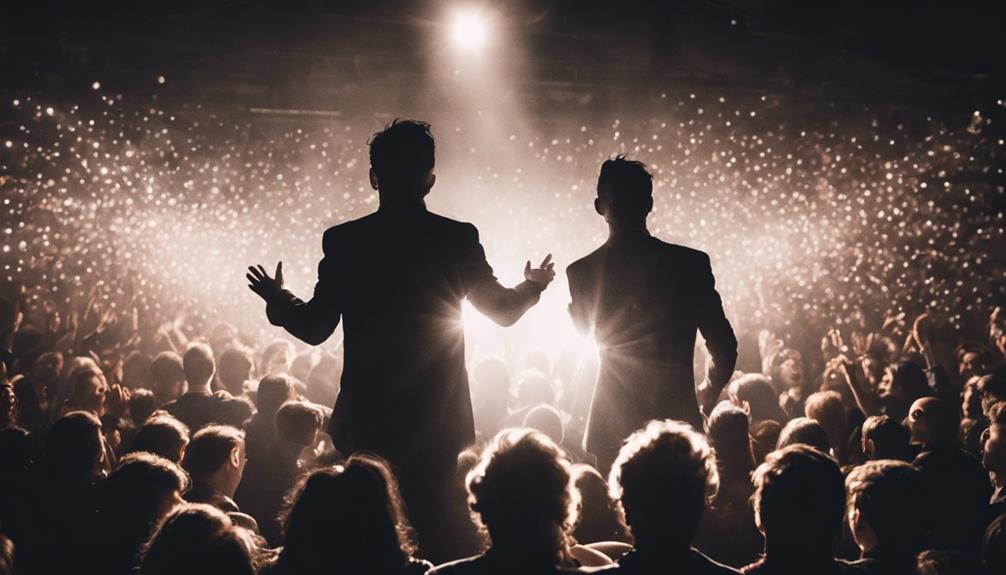

To enchant their audience, performers must understand who they're performing for, tailoring their show to their audience's demographics, interests, and expectations. A strong opening hook grabs attention, sparking curiosity and excitement. Emotionally resonant storytelling, authenticity, and deliberate body language build rapport and trust. Audience participation is encouraged through open-ended questions and call-and-response. Ultimately, a performer's unique identity, confidence, and ability to leave the audience wanting more create a truly enchanting experience. By mastering these techniques, performers can forge a deep connection with their audience, and as they dig deeper, they'll discover even more secrets to mesmerizing their crowd.
Know Your Audience Inside Out
Understanding who attends your live performances is essential, as it enables you to tailor your show to their preferences, increasing their engagement and overall experience. Conducting an audience analysis allows performers to identify their demographics, interests, and expectations, which in turn helps them craft engaging techniques that resonate with the crowd. By knowing their audience, performers can fine-tune their content, tone, and pace to create a more immersive experience.
Personalization is key to building a strong connection with the audience. By acknowledging and addressing their specific needs and desires, performers can establish a sense of rapport and trust. This can be achieved through tailored storytelling, references to local culture, or even simple gestures that show appreciation for their presence. When the audience feels seen and heard, they're more likely to invest in the performance, leading to a more dynamic and energetic exchange.
Moreover, understanding the audience's motivations and pain points enables performers to craft a narrative that resonates with them on a deeper level. By speaking to their values, fears, and aspirations, performers can create a sense of empathy and shared understanding, making the performance more relatable and impactful. By knowing their audience inside out, performers can deliver a show that's not only entertaining but also meaningful and memorable.
Craft a Memorable Opening Hook
When crafting a memorable opening hook, performers should focus on grabbing the audience's attention from the get-go. A strong opening sets the tone for the entire performance, so it's essential to make it count. By doing so, they can establish a connection with the audience and draw them in, making them enthusiastic to see what's next.
Grab Their Attention
Crafting a memorable opening hook is vital to grabbing the audience's attention, as it sets the tone for the entire performance and determines whether they'll be fully invested or checking their watches. A strong opening hook can make or break an audience's engagement, so it's pivotal to get it right. To grab their attention, performers must establish an intriguing presence from the get-go. This can be achieved through a bold entrance, a provocative statement, or an unexpected twist. Whatever the approach, the goal is to create an emotional connection with the audience and draw them in. A well-crafted opening hook can spark curiosity, build anticipation, and create a sense of excitement. By doing so, performers can seize their audience's attention and set themselves up for a successful performance. By mastering the art of the opening hook, performers can take control of the stage and leave a lasting impact on their audience.
Set the Tone
By carefully selecting the opening notes, words, or movements, performers can instantly convey the essence of their performance and establish a lasting impression. A well-crafted opening hook sets the tone for the entire show, drawing the audience in and refusing to let them go. When it comes to music selection, performers should choose a piece that resonates with their message and style. For instance, a high-energy rock song can get the crowd pumped, while a haunting melody can create an air of mystery. Lighting effects also play a pivotal role in setting the tone. A burst of bright lights can electrify the audience, while a subtle glow can create an intimate atmosphere. By combining these elements, performers can create an unforgettable opening that leaves a lasting impact on their audience. A strong opening hook can make or break a performance, so it's necessary to get it right. By doing so, performers can guarantee their audience is fully engaged and ready for an enchanting experience.
Storytelling for Emotional Connection
Through the power of storytelling, performers can create an emotional connection with their audience, transcending mere entertainment and leaving a lasting impact. By sharing personal anecdotes and experiences, performers can connect with their audience on a deeper level, fostering a sense of trust and relatability. This is achieved by connecting through vulnerability, engaging storytelling that resonates with the audience's own emotions and experiences.
Embracing authenticity is key to creating emotional resonance with the audience. When performers are genuine and true to themselves, they exude a sense of confidence and authority, making their message more compelling and believable. By sharing their own struggles and triumphs, performers can create a sense of empathy and understanding with their audience, making the performance more relatable and impactful. This, in turn, allows the audience to connect with the performer on a deeper level, creating a lasting emotional connection.
Effective storytelling also allows performers to convey their message in a more engaging and memorable way. By using vivid imagery and descriptive language, performers can paint a picture in the audience’s minds, making the performance more immersive and engaging. By incorporating storytelling into their performance, performers can create a truly unforgettable experience that leaves a lasting impact on their audience. This connection between the performer and the audience fosters a deeper emotional engagement, making the message even more powerful. When storytelling is woven seamlessly into a performance, it creates magical moments in live shows that captivate and inspire the audience. These moments not only enhance the overall experience but also ensure that the performance resonates long after it has ended.
Building Rapport With Body Language
As performers establish an emotional connection with their audience through storytelling, they can further amplify this bond by using body language to build rapport, subtly conveying confidence, approachability, and authenticity. Nonverbal communication plays a significant role in audience engagement, as it speaks volumes about a performer's confidence and charisma. When a performer exudes positive body language, they radiate an aura of authority, making the audience more receptive to their message.
A strong stage presence is essential for building rapport with the audience. It encompasses not only a performer's posture, facial expressions, and eye contact but also their ability to command the space. By standing tall, making deliberate gestures, and maintaining eye contact, performers can convey confidence and authority. This, in turn, fosters a sense of trust and connection with the audience.
Effective use of body language can also help performers navigate the stage with ease, creating a sense of fluidity and comfort. By doing so, they can focus on delivering their message, rather than worrying about their physical presence. As a result, the audience is more likely to engage with the performance, becoming fully immersed in the experience. By mastering the art of body language, performers can take their live performances to the next level, leaving a lasting impression on their audience.
Authenticity Is the Key Ingredient
When an artist takes the stage, they can't fake it till they make it – the audience can spot a phony from a mile away. Instead, they need to embrace their unique identity and let their true personality shine through. By being unapologetically themselves, performers can create an authentic connection with their audience that's impossible to replicate with scripted lines or pretentious posturing.
Be Your True Self
Audiences can spot a fake from a mile away, and nothing kills a live performance faster than an artist trying to be someone they're not. When an artist is authentic, they exude a confidence that draws the audience in and makes them more receptive to the performance. Being true to oneself allows for an authentic expression of emotions, thoughts, and experiences, creating a genuine connection with the audience.
To achieve this, artists should:
- Embrace their unique quirks and flaws, rather than trying to conform to industry standards.
- Share personal stories and experiences that resonate with their own emotions and values.
- Focus on the message they want to convey, rather than trying to impress or manipulate the audience.
- Be vulnerable and honest, even if it means being imperfect or uncertain.
Unapologetic Stage Presence
An unapologetic stage presence radiates from an artist who owns their unique identity, unfettered by the need for external validation or approval. This confidence stems from embracing their individuality, flaws and all, and presenting themselves authentically to the audience. When an artist is unapologetically themselves, they exude a mesmerizing charisma that draws the crowd in and refuses to let go. Their confident presence commands attention, making the audience hang on to their every word, note, or movement.
This unwavering self-assurance is what sets them apart from others, making their performance truly unforgettable. It's not about being perfect; it's about being unapologetically imperfect. By embracing their quirks and flaws, artists can tap into a deeper level of connection with their audience, creating a sense of relatability and authenticity. When an artist owns the stage with an unapologetic stage presence, they're not just performing – they're sharing a piece of themselves. And that's what truly enchants an audience.
Encourage Audience Participation Naturally
Engaging the audience in a natural way starts with creating an atmosphere that fosters participation. This means being mindful of crowd interaction and group dynamics from the moment the performance begins. By establishing a connection with the audience, performers can encourage spontaneous engagement and an authentic audience response.
To achieve this, performers can use the following strategies:
- Make eye contact: Directly address individual audience members to create a sense of inclusion and break down the barrier between the stage and the crowd.
- Use open-ended questions: Pose thought-provoking questions that encourage the audience to think critically and respond spontaneously.
- Encourage call-and-response: Invite the audience to participate in simple, repetitive phrases or actions that build energy and create a sense of collective excitement.
- Leave room for improvisation: Be prepared to adapt to the audience's response and incorporate their input into the performance, creating a unique and dynamic experience.
Leave Them Wanting More
Five minutes before the final curtain call, performers must strategically scale back their energy to leave the audience yearning for more. This deliberate move ensures the crowd departs with an insatiable thirst for the performer's next show. By slowing down the pace and intensity, the performer creates a sense of anticipation, making the audience wonder what's to come next. This clever tactic is a hallmark of a truly memorable performance.
To achieve this, performers must master the art of audience interaction and stage presence. They should engage the crowd with a mix of humor, storytelling, and emotional connection, making the audience feel seen and heard. As the performance nears its end, the performer should begin to subtly disengage, gradually winding down the energy to create a sense of longing. This delicate balance is pivotal, as it leaves the audience wanting more without feeling unsatisfied or incomplete.
Frequently Asked Questions
How Do I Deal With Hecklers or Disruptive Audience Members?
She knows that handling hecklers is an art that requires finesse and quick thinking. When dealing with disruptions, she maintains focus by acknowledging the issue without giving it too much attention. Her audience management skills kick in as she redirects the conversation, using humor to diffuse the situation and regain control. By staying calm and assertive, she turns a potential nightmare into an opportunity to showcase her expertise and charm.
What if I Forget My Lines or Make a Mistake on Stage?
What's the worst that could happen if she forgets her lines or makes a mistake on stage? She'll likely recover, and the show will go on. Performance anxiety can be crippling, but it's essential to remember that everyone makes mistakes. The key is to own them and move forward. By incorporating improvisation techniques into her rehearsed routine, she'll be better equipped to think on her feet and turn mistakes into memorable moments.
Can I Use Humor to Connect With a Diverse Audience?
She knows that humor can be a powerful tool to connect with a diverse audience, but it's important to take into account cultural references that resonate with everyone. Relatability is key, so she avoids inside jokes that might alienate some audience members. Instead, she focuses on universal experiences and clever wordplay. With impeccable timing and delivery, she crafts humor that's both inclusive and hilarious, making her audience laugh and feel seen.
How Long Should My Live Performance Ideally Be?
Comedian Aziz Ansari's 2015 Madison Square Garden show lasted a impressive 115 minutes, but he knew when to wrap it up. When it comes to ideal performance length, the key is striking a balance between audience engagement and time management. Aim for 60-90 minutes, allowing for a dynamic flow of energy and content. Any longer, and you risk losing your audience's attention.
Should I Use Visual Aids Like Props or Slides in My Show?
She considers incorporating visual aids like props or slides into her show to enhance her stage presence. By doing so, she can increase engagement and create an immersive experience for her audience. However, she must make sure that these aids don't detract from her authenticity, allowing her to form a genuine connection with the crowd.